


at Christmas it becomes a literal Lapland
Timothy J, 2023
| Mon to Sat | 9am to 5pm |
|---|---|
| Sunday | 10am to 4:30pm |
| Cafe, Mon to Sat | 9am to 4pm |
| Cafe, Sunday | 10am to 3:30pm |
Open bank holidays. Closed Christmas Day, Boxing Day, New Year's Day and Easter Sunday.
A 1,000-LED set on six hours a night for six weeks costs about 40p at the 26.32p per kWh price cap for October to December 2026; the sums for every size of set, timers and battery lights.

LED Christmas lights cost very little to run: a 1,000-LED mains set drawing around 6 watts, on for six hours a night for six weeks, uses about 1.5 kilowatt-hours, which is roughly 40p at the Ofgem price-capped electricity rate of 26.32p per kWh for October to December 2026. Even a house with 5,000 LEDs outside and a tree inside runs to a few pounds for the whole season. The old incandescent sets were a different story, so if you are still using any, this is the year to replace them. Here is the arithmetic for the sets we sell, and the figures to plug in for your own.
A modern LED set runs from a low-voltage transformer at the plug, and the whole set, transformer included, draws single-figure watts. A 1,000-LED Premier set is rated at about 6 watts; smaller sets less, a 2,000-LED set roughly double. Compare that with an old 100-bulb incandescent set, which drew 40 to 50 watts for a tenth of the light. Check the label on your transformer for the exact figure: it is printed as “W” or as volts times amps on the output side.
Cost = watts ÷ 1,000 × hours on × price per kWh. Using 6 hours a night, 42 nights (mid November to Twelfth Night) and 26.32p per kWh:
| Set | Approximate draw | Season electricity | Season cost |
|---|---|---|---|
| 500-LED tree set | 3 W | 0.8 kWh | 20p |
| 1,000-LED tree set | 6 W | 1.5 kWh | 40p |
| 2,000-LED cluster set | 12 W | 3.0 kWh | 80p |
| 5,000-LED outdoor set | 30 W | 7.6 kWh | £2.00 |
| Whole house: tree, two outdoor sets, icicles (10,000 LEDs) | 60 W | 15 kWh | £4.00 |
| Old incandescent 100-bulb set, for comparison | 45 W | 11 kWh | £3.00 |
Figures are rounded and use typical wattages for Premier LED sets; VAT on domestic electricity is zero for 1 October 2026 to 31 March 2027, which is already in the 26.32p rate. If you are on a fixed tariff, use your own unit rate.
Yes, by a factor of ten to twenty for the same brightness. An incandescent bulb turns most of its electricity into heat; an LED turns most of it into light. The other saving is that LED sets last: the bulbs are rated for tens of thousands of hours, so a set bought this year should still be working in ten Christmases, and a dead LED does not take the whole string out the way a blown filament bulb did.
It saves the money you would otherwise waste leaving the lights on all night. Every Premier set we stock has a timer built into the controller: switch it on at the time you want the lights to come on, and it runs for six hours then rests for eighteen, repeating daily, so a tree lit from 4pm goes off at 10pm. Outdoor sets on a timer also stop you going out in the rain to switch them off.
Battery sets cost more to run per hour of light than mains LED sets, because batteries are an expensive way to buy electricity: a set of three AAs is about £1.50 and runs a 100-LED set for a few days of evenings. They are the right choice where there is no socket (a wreath on the front door, a garland on the stairs, a windowsill), and for anything else a mains set with a timer is cheaper over the season.
The electricity for a season of LED lights is less than the price of a coffee; what varies is the price of the set and how long it lasts. A 1,000-LED Premier TreeBrights set is £24.99 at Sapcote Garden Centre and a 2,000-LED ClusterBrights set £69.99, both indoor and outdoor rated with a timer, and all 240 sets are online with live stock or lit on display on Hinckley Road, Sapcote, Leicester LE9 4LG.
A 1,000-LED set on six hours a night costs about 30p a month at the 26.32p per kWh price-cap rate for late 2026; a whole house of 10,000 LEDs about £3 a month.
About 6 watts for a 1,000-LED mains set including the transformer, 3 watts for 500 LEDs and 30 watts for a 5,000-LED set. The exact figure is on the transformer label.
No, but it is pointless: a 1,000-LED set left on for 24 hours costs about 4p. Use the built-in timer so the set runs six hours and switches itself off.
Yes. An LED set uses roughly a tenth to a twentieth of the electricity of an incandescent set of the same brightness and lasts far longer.
Ofgem’s price cap for 1 October to 31 December 2026 sets an average of 26.32p per kWh for electricity on a standard variable tariff paid by direct debit, with VAT on electricity at zero until 31 March 2027.
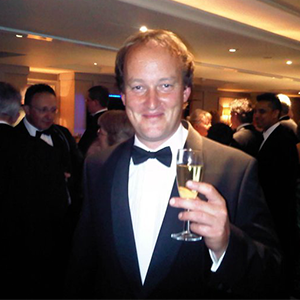
Andrew Porwol is an expert on gardening, plants, garden design, and outdoor furniture. He is the owner of Sapcote Garden Centre, Sharnford Garden Centre, and Garden Centre Shopping. He’s regularly featured in expert publications, like Forbes, MSN, and Better Homes & Gardens.
Over 100 artificial trees on display on Hinckley Road, two minutes from junction 2 of the M69.
at Christmas it becomes a literal Lapland
Timothy J, 2023
Hinckley Road, between Sapcote and Hinckley. The first slip road as you come from Leicester at Fosse Park, and easy from Hinckley, Coventry and Nuneaton.
| Mon to Sat | 9am to 5pm |
|---|---|
| Sunday | 10am to 4:30pm |
| Cafe, Mon to Sat | 9am to 4pm |
| Cafe, Sunday | 10am to 3:30pm |


