


at Christmas it becomes a literal Lapland
Timothy J, 2023
| Mon to Sat | 9am to 5pm |
|---|---|
| Sunday | 10am to 4:30pm |
| Cafe, Mon to Sat | 9am to 4pm |
| Cafe, Sunday | 10am to 3:30pm |
Open bank holidays. Closed Christmas Day, Boxing Day, New Year's Day and Easter Sunday.
Artificial wins on cost after three or four Christmases and on convenience; real wins on scent and, by the Carbon Trust figures, on carbon each year. The comparison with Sapcote Garden Centre prices.

A real Christmas tree wins on smell, tradition and the trip to choose it; an artificial tree wins on cost after about four years, convenience and no needles. On the environment, the Carbon Trust’s figures say a 2m artificial tree carries about 40kg of CO2e and a real tree 3.5kg if it is chipped or burned afterwards, so an artificial tree has to be used for around ten to twelve Christmases to come out ahead. At Sapcote Garden Centre we sell both, so here is the comparison on cost, effort, looks, safety and the planet, with our own prices.
A 6ft real Nordmann fir at Sapcote is £29 (value) to £48 (premium) this Christmas, so ten years of real trees is roughly £290 to £480, plus a stand once. A 6ft artificial tree is a one-off £75 (Everlands Imperial Pine) to £129 (National Tree Company Dunhill Fir), or £170 to £280 pre-lit, and lasts ten to fifteen years. The artificial tree is cheaper from its third or fourth Christmas; a premium 7ft pre-lit tree takes six or seven. If you only ever buy a value real tree and keep it to 5ft, the sums are closer.
Artificial, clearly. A real tree means a trip in late November or early December, lifting it onto and off the car, a stand that holds water, daily watering, needles in the carpet, and a trip to the recycling point in January. An artificial tree comes out of a box, goes up in twenty minutes if it is hinged, and goes back in the box. The trade-off is the one real-tree people care about: choosing the tree is part of Christmas, and the smell of a Nordmann fir in the hall cannot be bought in a box.
The good ones can, from across the room. A National Tree Company fir with 2,000 or more branch tips and moulded PE needles is hard to tell from a real tree in a photograph; a budget PVC tree with 500 tips is not. A real Nordmann fir has the shape, the layered branches and the scent, and no two are alike, which is the appeal. Our guides to the best artificial trees and PE versus PVC needles explain what makes the difference.
A Nordmann fir bought in the first week of December and kept in water lasts to Twelfth Night with very little needle drop; a Norway spruce drops sooner and smells stronger. An artificial tree never drops a needle but does shed a few PVC tips each year, and its lights, if pre-lit, are usually the first thing to fail, after six to ten years.
Both are safe if treated sensibly. A real tree that has dried out is flammable, which is why it needs water every day and a spot away from the fire and radiators. Artificial trees sold in the UK are made to flame-retardant standards, but they still should not be next to an open fire, and their lights should go off at night. For pets, neither is a problem beyond the odd chewed needle; for small children, a real tree in a heavy stand is more stable than a light artificial one.
The Carbon Trust’s estimate, widely quoted, is that a 2m real tree with no roots has a footprint of about 3.5kg CO2e if it is chipped or burned after Christmas, rising to about 16kg if it goes to landfill, where it rots and gives off methane. A 2m artificial tree is about 40kg CO2e, two-thirds of it in the plastic. So a real tree disposed of properly is the lower-carbon choice each year, and an artificial tree only overtakes it if you keep it for ten to twelve Christmases. The practical advice: if you buy artificial, buy one you will keep, and if you buy real, use the council’s tree collection or a chipping point rather than the bin. Real trees from British growers are farmed as a crop and replanted; Sapcote’s Nordmann firs are UK-grown.
A pot-grown Nordmann fir or Norway spruce, up to about 4ft, can be kept in its pot outside and brought in for the fortnight before Christmas, year after year, which gives you a real tree with a one-off cost. It needs watering, a cool spot indoors and no more than two weeks inside. See our real Christmas trees page for this year’s trees and prices.
Sapcote Garden Centre on Hinckley Road, Sapcote, Leicester LE9 4LG has 65 artificial trees lit on display from September and real Nordmann firs from 17 November, kept under cover, unnetted so you can inspect them and netted for the car.
Artificial, after three or four Christmases: a 6ft artificial tree is £75 to £130 once, against £29 to £48 a year for a 6ft real Nordmann fir at Sapcote Garden Centre.
Yes, each year, if it is chipped or collected for composting: about 3.5kg CO2e against about 40kg for a 2m artificial tree, which needs ten to twelve years of use to break even (Carbon Trust figures).
A Nordmann fir kept in water lasts four to five weeks with little needle drop; a Norway spruce two to three weeks.
Ten to fifteen years if stored dry in its box or a tree bag; pre-lit trees usually need their lights replaced before the tree wears out.
Yes, a pot-grown tree up to about 4ft, kept outside in its pot and brought in for up to two weeks each Christmas.
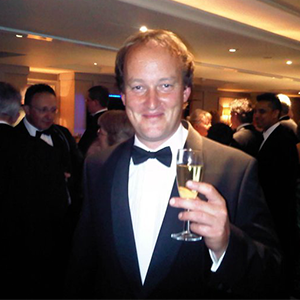
Andrew Porwol is an expert on gardening, plants, garden design, and outdoor furniture. He is the owner of Sapcote Garden Centre, Sharnford Garden Centre, and Garden Centre Shopping. He’s regularly featured in expert publications, like Forbes, MSN, and Better Homes & Gardens.
Over 100 artificial trees on display on Hinckley Road, two minutes from junction 2 of the M69.
at Christmas it becomes a literal Lapland
Timothy J, 2023
Hinckley Road, between Sapcote and Hinckley. The first slip road as you come from Leicester at Fosse Park, and easy from Hinckley, Coventry and Nuneaton.
| Mon to Sat | 9am to 5pm |
|---|---|
| Sunday | 10am to 4:30pm |
| Cafe, Mon to Sat | 9am to 4pm |
| Cafe, Sunday | 10am to 3:30pm |


